Probiotic cleaning: what it is, why it matters, and how to use it
Probiotic cleaning is often seen as something new.
In reality, it’s a different way of looking at cleaning altogether.
Instead of only removing dirt, probiotic cleaning works by changing the environment in which dirt and bacteria exist. It doesn’t just clean, it keeps working after you’re done.
But what does that actually mean in practice?
What is probiotic cleaning?
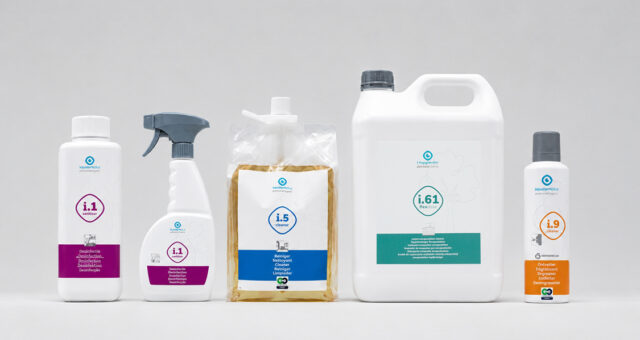
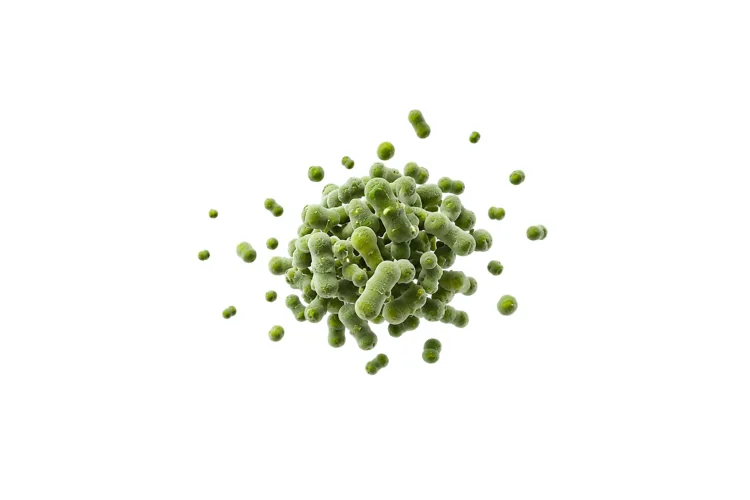
Probiotic cleaning products contain beneficial bacteria. These bacteria are added to the cleaning solution and remain active after application.
Once applied to the surface, they:
- Break down organic dirt and residues by enzymatic activity
- Continue working after the initial cleaning step
- Compete with unwanted bacteria for space and nutrients
This process is often referred to as competitive exclusion, where beneficial bacteria naturally reduce the presence of less desirable ones.
In simple terms:
Instead of only removing contamination, probiotic cleaning helps control what comes back.
Why use probiotics in cleaning?
The real value of probiotic cleaning lies in what happens after cleaning.
Depending on the application, the benefits can vary:
Deep cleaning where you normally can’t reach
Probiotics can work into structures, pores, and grout lines where traditional cleaning struggles to reach. Over time, they help break down built-up organic contamination from within.
Odor removal instead of masking
Instead of covering up odors, probiotic solutions break down the source of the smell. This makes them particularly effective in environments where odors tend to return.
Self-sustaining cleaning effect
Because the bacteria remain active, cleaning continues after application. This leads to a gradual improvement over time, especially when probiotics are frequently applied in areas with recurring contamination.
A common misunderstanding
One of the biggest challenges with probiotic cleaning is not performance, it’s awareness.
Many people:
- Don’t know what it is
- Don’t know how it works
- Or don’t realize when to use it
As a result, probiotic cleaning is often overlooked in cleaning protocols, even though it can add significant value when applied correctly.
When should you use probiotic cleaning?
Probiotic cleaning is especially effective in situations where traditional cleaning has limitations.
For example:
- Areas with structures or grout
- Surfaces where contamination builds up over time
- Environments with persistent odor issues
- Daily cleaning routines where long term improvement is desired
It is particularly valuable in maintenance cleaning, where consistency and gradual improvement play a key role.
When should you not use it?
Probiotic cleaning sounds promising, but it is not always the right solution.
It is less suitable in situations where:
- Disinfection is required (as disinfectants will kill the bacteria, making probiotic use ineffective)
- Strict hygiene protocols require immediate sterilization
There is heavy initial contamination that first requires a deep clean. After this initial deep cleaning step, probiotics can be introduced as part of the ongoing cleaning routine. The self-sustaining cleaning effect of probiotics prevents the need for (frequent) deep cleaning.
How do you use probiotic cleaning effectively?
The key to success with probiotic cleaning is consistency.
- Use it as part of your cleaning routine
- Allow time for the effect to build up
- Avoid combining it with products that kill bacteria
The results are not always immediate, but they improve over time.
As the beneficial bacteria establish themselves, they:
- Continue breaking down contamination
- Reduce resoiling
- Help stabilize the cleaning result
Moving forward
With a growing focus on efficiency, sustainability, and smarter cleaning processes, probiotic cleaning offers a valuable addition to modern cleaning strategies.
Not as a replacement for everything, but as a targeted solution where it makes a difference.
And for those who understand when and how to use it, it introduces a new level of control in cleaning performance.
FAQ
-
Regular cleaning products are designed to remove visible dirt and contamination during the cleaning process itself. Probiotic cleaning products work differently. In addition to cleaning the surface, they introduce beneficial micro-organisms that remain active after application. These probiotics continue breaking down organic residues and help control the return of unwanted bacteria through a natural process called competitive exclusion. In simple terms: regular cleaners stop working after cleaning, while probiotic cleaners continue working afterwards.
-
Probiotic cleaning products are especially effective in situations where traditional cleaning has limitations. They are ideal for areas with structures, pores, grout lines, or hard-to-reach surfaces where organic contamination can build up over time. They are also highly suitable for environments with recurring odour problems, as probiotics break down the source of the odour instead of masking it. Probiotic cleaning performs best as part of a consistent daily or maintenance cleaning routine where long-term improvement is desired.
-
Yes. Probiotic cleaning products help eliminate odours by breaking down the organic residues that cause them. Instead of temporarily masking smells with fragrance, the probiotics target the source of the problem. This makes them particularly effective in environments where odours tend to return frequently.
-
Probiotic cleaning products are less suitable in situations where immediate disinfection is required. Because probiotics are living beneficial bacteria, disinfectants will kill them, making the probiotic effect ineffective.
They are also less suitable for heavily contaminated environments that first require an intensive deep cleaning step. In these situations, probiotic cleaning is best introduced afterwards as part of the ongoing maintenance routine.
In addition, probiotic cleaning products are generally less effective on very smooth, non-porous surfaces. Since bacteria naturally adhere better to structured or porous surfaces, probiotics have less ability to establish themselves on extremely smooth materials such as certain coated or polished surfaces. As a result, the long-term probiotic effect may be more limited in these applications.